Friday, April 6, 2012

Cordoba, Argentina


Cordoba, Argentina's second largest city, is great. A college town simmering with energy and culture, the pace is hectic and the city is full of surprises. With the great metropolitan and cultural climate also comes one of those environmental climates which causes your eyes and nose to burn. The city is primarily on a grid setup, with a few cross-cutting streets, and a huge area in the center composed purely of pedestrian walkways and streets. I was chatting with my seat neighbor Lucas on the bus, shortly after we arrived his brother's girlfriend made us a delicious chicken and pasta dinner:


At night I went to a local bar which had some folkloric bands playing, I saw three bands. The crowd was relatively sparse at the beginning of the evening, but in Argentina it is most common for the big crowds to arrive at bars etc. around 2am, and by that time the place was packed. The headlining band was composed solely of a guitar/singer frontman, a classicly scraggly drummer hitting a freestanding bass drum with mallets, and a singing midget who switched between playing the mandolin, flute, and pan flute. The music was very good, and local Cordobans were dancing folkloric dances in front of the stage. Appearing to be a combination of indigenous tradition with heavy Spanish influence, it was amazing how they all knew how to do these fairly complicated dances, often appearing similar to a flamenco, with arms raised above the head and intricate stomping moves. Sometimes they would include "props" like scarves in their dances. Some of the dancers were very good, and I felt as if they were putting on a touristy show for the benefit of tourists, to showcase their culture. The thing is, I was blatantly the only foreigner present in the establishment, and they were not putting on a show for anyone apart from themselves. It was one of those cultural things which we lack in America, where everyone knows this cultural tradition which is hundreds of years old and shares it together in a celebratory manner. It is obvious that the youth is not leaving this cultural tradition behind. 
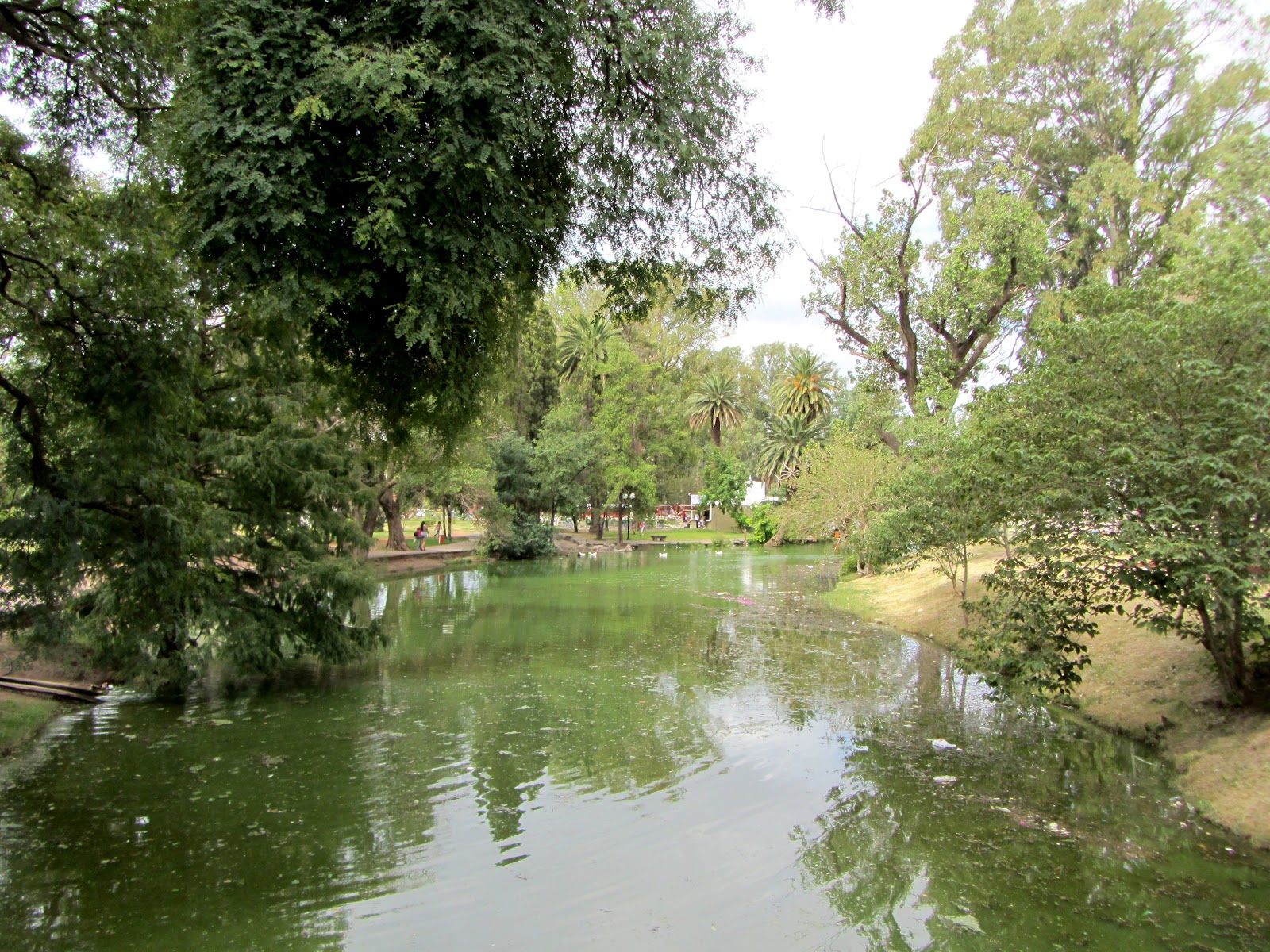
Pictures of Cordoba:


Argentinian fast food in a mall. Looks pretty fancy to me!



They have these!


Museum honoring organized workers and labor unions:


Museum of Fine Art:


Tuesday, April 3, 2012

Resistencia, Argentina

The next stop would be Resistencia, really a stopover between Iguazu and Cordoba. Resistencia is in the province of Chaco, which shares the driest desert on the planet (or something like that) with Paraguay & Bolivia. Resistencia is famous for a joint venture between the government and private interests which paid to have sculptures distributed throughout the city. So everywhere you go, in the places you would least expect them, you see interesting sculptures. "Sculpture City," as it says on most of the bus stops. While this does make for some interesting strolls, the large city really does have a provincial feel, and not much else to offer. I got the sense that it was the kind of city where a fun night out on the town is going to share a 2-liter bottle of soda at a restaurant with friends. That being said, there were some trendy boutiques and bars/clubs. The city sleeps for the siesta, and is like a ghost town with no one anywhere. Then, around 4 or 5pm, all of the middle school and high school students come out to occupy the pedestrian streets, eating pizza and carrying on until 6 or 7pm when the adults come out to go window shopping. Lots and lots of window shopping. I got this impression of waves of groups of people coming in and out of the center on a schedule like tides, but I was only there for a day, so what do I know.


Walking around, it was cool to see the juxtaposition of all of the art with the urban surroundings of the city:


This week marked an anniversary of the Dirty War, a horrible episode in the history of Argentina which took place in the 70's and 80's. A military government kidnapped and tortured/killed anyone who gave the slightest indication of not supporting it. It has been interesting to see how Argentina copes with this shockingly brutal history, something that is a living memory for many. There was a demonstration by students  and organizations from the current government, urging "Memory, truth, and justice;" a common refrain. They played music, sang, painted, and barbecued throughout the entire day and night:  


I would learn more about the Dirty War in Cordoba.
This following museum, which chronicles (poorly) the history of indigenous Chaco culture, seemed shocked that an American was visiting. They seemed shocked that anyone at all was visiting, and gave me a personal tour through the various exhibits:


More pictures of Resistencia: